
One doctor I have listened to is a very well respected British cardiologist named Dr Aseem Malhotra. He notes the widespread myths and misunderstanding about what the main drivers of disease are when it comes to diet. Many people including doctors believe that saturated fat and high levels of cholesterol are the drivers, while in fact things like diabetes and obesity are driven largely by high levels of carbs and sugar. People who successfully overcome diabetes often do so by adopting a diet high in saturated fat and low in carbs, which is the opposite of how many people and doctors think a healthy diet should be.
Ketosis/Keto diet
One diet with a lot of sound science behind it is the Ketogenic diet. Ketosis is a process that happens in the body when it runs out of carbohydrates to burn for energy. It then starts to burn fat in order to make compounds called ketones which it can use for fuel.
Ketosis typically is induced by either fasting (measurable ketosis can start after as soon as 12 hours of not eating), or following a very low carb diet. The benefits of this can include weight loss as well as lower and more stable blood sugar levels. Ketones can cross the blood-brain barrier and provide fuel to your brain as well as your body. I’ve spoken to people that have done a keto diet (as has been my own experience, although I do not follow a strict keto diet) who have stated that they feel more mentally alert and without a doubt less prone to “food coma” and the fatigue that often comes after eating meals higher in carbohydrates.
People tend to feel less hungry and more full on a ketogenic diet, partially attributed to the reduction in blood sugar and insulin spikes. It has been recommended by doctors for individuals struggling with any form of diabetes. Interestingly Dr. Eric Berg notes that cancer cells need glucose for fuel and yet cannot use ketones, making a Ketogenic diet something that people with cancer might give consideration to. One video below is an extremely interesting account of a man who was diagnosed with cancer, and overcame it using a very strict keto diet, eating mostly grass fed ribeye steaks for several weeks, attempting to “starve” the cancer by denying the cancer cells glucose. This worked for him and validates the principle.
My personal favorite foods that I eat a lot of that are compatible with a keto diet are: eggs (organic, pasture raised), fish (esp wild caught cod, salmon, or sardines), high quality meats, olives, avocado/guacamole, pecans, pistachios, fermented vegetables, green leafy vegetables like spinach or arugula, and coconut.
I should mention, because it is closer to how I actually eat, I believe in the principles at work in a keto diet rather than strict adherence to it. As a diet it undoubtedly works for and has helped many people. But personally, I think having SOME carbs has its place too. The following video is from someone who once ate a strict carnivore/keto diet, wrote a book about the benefits of it, and has since come out and advocated for eating some carbs within that diet. To me it’s all about balance and sustainability. So while I eat many meals including breakfast where I have very few carbs following a sustained period of not eating, I enjoy things like fruits, cacao, or rice as part of my lunch, dinner, or snacks.
Fasting (intermittent, and longer forms)
Fasting is a word that has a negative connotation for many people because it immediately conjures notions of self sacrifice or being extremely hungry. I recently became interested in the topic upon hearing of the benefits of “intermittent fasting“, which is in fact not that big a deal at all. The basic idea is to have a window of time without eating that is long enough to induce ketosis, which starts around 12 hours as mentioned. Most of the time “fasting” is at night and when you are sleeping, first of all. One suggested approach is “16:8”, which is to not eat for 16 hours and then to eat all meals within the following 8. If you eat dinner around say 6:00, 16 hours takes you until 10:00 the next morning. You don’t have to do this every day, but the basic idea is that this gives your body/digestion a break and induces ketosis, and there are numerous benefits toward anti-aging and obesity issues. There are benefits to other more difficult forms of fasting, but I think people can benefit a lot without going to any kind of extreme simply by trying a few days (even off and on) of the 16:8 intermittent fasting approach, or even once a week. Intermittent fasting can be helpful but by no means is essential for good health or weight loss, in case your schedule does not allow this or you prefer not to use this practice.
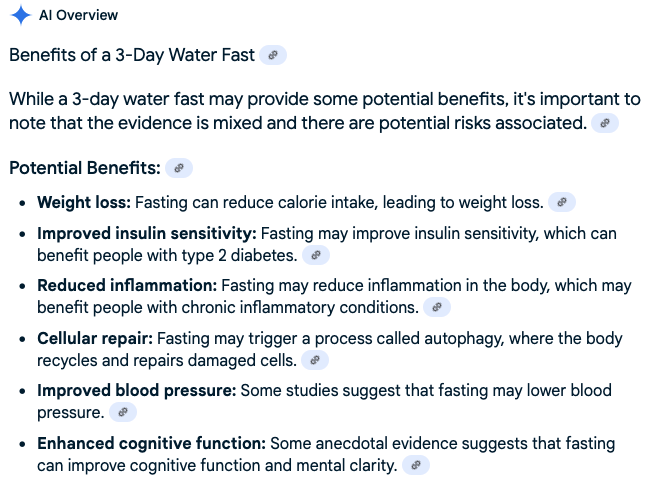
As to other longer forms of fasting, one that I did was a 3 day water only fast. I definitely felt like it was good for me so it will probably be something I do again, although not very often. But there are some risks to this, so again this is not medical advice. It is not for everybody or the feint of heart, but some of the purported benefits:
Saunas
When it comes to burning fat as well as general metabolic health, saunas can play a very positive role. I own a far infrared sauna, which is not quite as good as a regular steam sauna, but unlike a regular it can fit in a decent size closet. They can be found for as cheap as $200-$300, and can last for many years. I have had mine for a decade. The benefits include burning calories which can help with weight loss, dilating blood vessels which can provide cardio and circulatory benefits, raising body temperature which can help to kill internal and external bacteria, and helping eliminate toxins in the body through intense sweating. 30 minutes in one of these can be a bit of a mental and physical challenge, the last 5 minutes especially with elevated temperature and heart rate. Even if it is not as beneficial as a steam sauna, it is a very convenient and passive way to experience some of the same benefits.
Informative Videos
The videos below are some really basic information on what are some very healthy foods to eat that fit well within a ketogenic diet, as well as suggested supplements to take. One video talks about how fasting and diet can have anti aging effects. Another mentions how there are some people who have difficulty losing weight even if they try many sensible suggestions. Factors toward that can vary from genetics to stress, and also include problems with imbalances of bacteria in the gut. But I think pretty rare is the individual who desires to lose weight and has literally tried “EVERYTHING”, so hopefully whatever your interest or reasons are for wanting to improve your diet or lose weight, some of the information below may be helpful for you.
Ozempic
Ozempic has been around for less than a decade. It has received a lot of fanfare for its ability to produce weight loss, as well as criticism and caution for the serious side effects that many people experience. In discussing this subject, I think it is helpful to define a few terms. Glucagon-like-peptide-1 (GLP-1) is a hormone produced in the gut’s L-cells, released after eating to regulate blood sugar and appetite. It stimulates insulin release, inhibits glucagon, slows stomach emptying, and signals satiety to the brain. Natural GLP-1 is broken down in 1–2 minutes in the body by the DPP-4 enzyme. Ozempic is labelled a “GLP-1”, but does not contain the naturally occurring hormone, b/c it is broken down too quickly in the body. Instead, it contains a synthetic hormone called semaglutide, which mimics naturally occurring GLP-1. Semaglutide is a modified, synthetic peptide (lipopeptide) that acts as a GLP-1 receptor agonist. A receptor agonist is a chemical or drug that binds to a cell receptor and activates it, producing a biological response similar to the body’s natural substances. So semaglutide or other “GLP-1″s are not quite the same as the peptide hormone of the same name that occurs naturally in the body, but mimic it with the intention of producing the same effect. Semaglutide consists of a 31-amino acid chain designed to mimic GLP-1, but with modifications—including a fatty acid side chain—that allow it to last longer in the body, making it a “modified” peptide rather than a pure, native peptide.
I put Ozempic at the bottom of this page, as I believe that most people would be better off seeking natural methods over pharma interventions to address weight loss, when there are certainly MANY things people can do to help themselves. Most people are overweight b/c of having a chronic poor diet, and a big part of any sensible plan to reverse that is a better diet, for which a drug cannot substitute. However, there are undoubtedly situations where extreme obesity itself is a serious, life threatening health risk, where taking a drug even with known risks may still be an option to consider.
Ozempic can have some potentially serious and nasty side effects. Listed ones include pancreatitis, gallbladder disease, kidney failure, and a boxed warning for thyroid C-cell tumors. Another important one is muscle loss, which is also very detrimental, especially as people age. Brigham Buhler is a compounding pharmacist who has a wellness center in Austin, Texas, and in the clip below offers that muscle loss may occur b/c the dosage is too high for many people. He claims that by titrating the dosage to lower levels and making it more individualized rather than one size fits all, muscle loss as well as many side effects can be avoided. It also greatly reduces the price of the drug. The pitfalls of improper dosage are certainly something to be aware of and look into for anybody seriously considering GLP-1 drugs. In my most recent personal training continuing education re-certification, the course I took had some discussion about GLP-1 drugs, and made mention that most people need to go on them for at least a year b/c of how the body responds to weight loss, so called “metabolic adaptation”. The body does two things for a year or so after weight loss that work against maintaining it, inhibiting satiety which increases hunger, as well as slowing down metabolism. So one major drawback to trying a GLP-1 drug in addition to potentially dangerous side effects is that they purportedly don’t work well for short term use. People need to stay on them for a year to allow their body to adapt, to avoid reversal of the weight loss. The course also suggested that strength training and eating protein rich foods can help reduce muscle loss for people taking GLP-1’s.
The rest of the video (the first couple of hours) is in the category of things I think would be very helpful for people to become more aware of. It is very informative about why there are so many issues with our food supply and how the pharma industry has morphed into a pernicious monster and exploitative predator rather than an industry that serves to improve people’s health, as was originally intended. As is pointed out in this video, the industry would still make plenty of money if it was not morally bankrupt and corrupt, just not as much. This is not to discourage people from seeking or trusting medical advice or interventions. There are undoubtedly many doctors and drugs that help people. But at the same time, the system as a whole has been corrupted in so many ways, that unless somebody knows that their doctor is a standout who thinks outside of the box and has a good background in nutrition and the CAUSES of health issues, they might be well served to seek more holistic advice toward implementing nutritional and lifestyle changes, instead of or in addition to pharma/medical interventions. People would be immeasurably better off if they did that proactively rather than in response to already having some kind of health issue or diagnosis.
 Asymmetrical Awareness